


Vladimir Sidorenko, M.Sc.
- Research Assistant
- Group: Prof. Becker
- Room: 2.18
CS 30.10 - vladimir sidorenko ∂does-not-exist.kit edu
Engesserstr. 5
76131 Karlsruhe
Summary of the dissertation
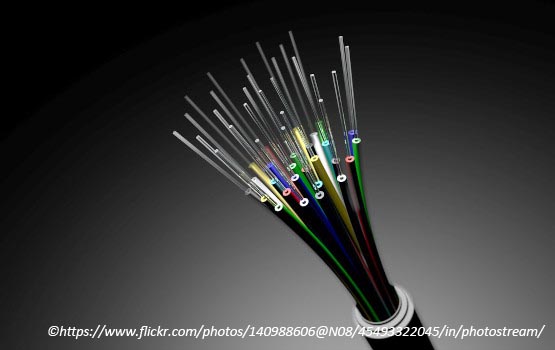
Latency optimisation in inter-FPGA optical communication
The ever-growing demand for real-time control systems in many application fields creates additional challenges for physical networks. With the bandwidth needs greatly covered by optical networks, links in time-critical systems must also deliver data with a low and guaranteed latency. Among other sources, delays and latency uncertainties are introduced in the physical datapath and buffers. Nonetheless, these negative effects can be mitigated by developing optimised clock domain crossing and buffer bypass methods.
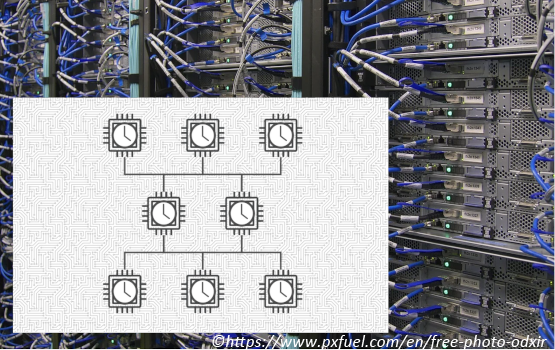
Time synchronisation in distributed FPGA networks
In distributed real-time systems, it is important that race conditions are avoided and system components are coordinated to function as a whole. Time-critical applications increase the requirements for coordination even further. Whether the system components keep track of measurement time or perform synchronous operations, they require a common notion of time - a time base. Growing demand for synchronicity and accurate time base in such systems drives development of advanced methods for synchronization and timing-related measurements
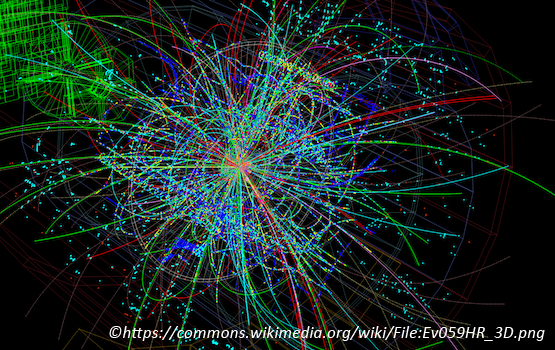
High-throughput data acquisition flow control
Large-scale and data intensive measurement system require collecting large amounts of data for processing and analysis. Triggerless approach to data acquisition is increasingly gaining popularity in these systems and allows complex event analysis. At the same time, data rate fluctuations and processing errors may lead to system congestion, measurement corruption and thus generally inefficient operation of such a system. An intelligent and responsive flow control subsystem governs the data collection process and makes sure the data flow is consistent and tolerant to these negative factors.