


Summary of the Dissertation


The target of the dissertation was to improve the remote treatment of chronic inflammatory skin diseases and to bridge the gap between physical examination and digital treatment. Using 3D reconstruction and ultrasound haptics, new methods were explored to capture skin changes spatially and haptically, thereby making digital diagnoses more precise and “tangible.” The dissertation was completed in close collaboration with the secondary supervisor, Prof. Dr. Astrid Schmieder, and the University Hospital of Würzburg.
We extend our heartfelt congratulations on this achievement and wish you all the best!
Telemedicine Treatment Approaches in the Dermatology Division
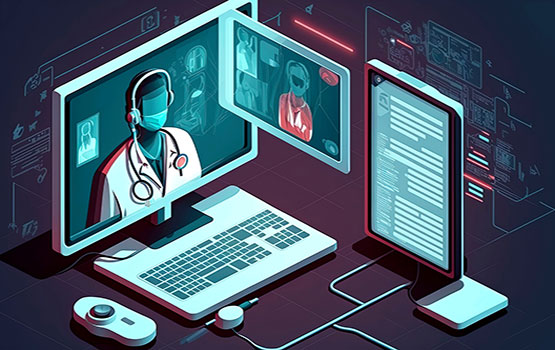
In Germany alone, over 8 million people suffer from chronic skin conditions. Waiting times for treatment appointments at university hospitals average 6 months, making it difficult to prevent flare-ups and worsening of symptoms. Depression and anxiety are therefore common side effects among patients. We are researching a telemedicine approach to supplement the treatment of dermatology patients through an online service using a smartphone app. This allows patients to easily document the course of their illness from home, and AI analysis can detect flare-ups early on. The goal is to reduce the number of in-person appointments and thereby ease the burden on both doctors and patients.
AI-Based Generation and Analysis of VR Scenarios
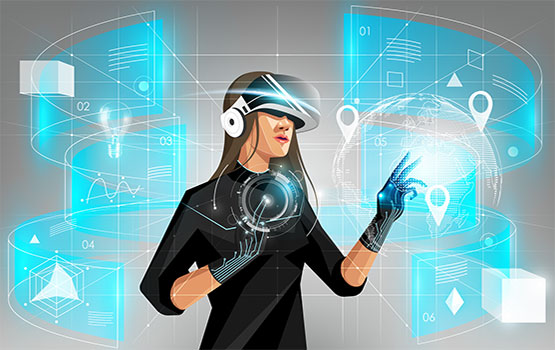
In firefighter training, realistic simulations of operational scenarios are of great importance for preparing executives for real-life emergency situations. However, creating these simulations is very labor-intensive and requires a great deal of time and resources. This is where AI-based generation and evaluation of VR scenarios can offer a promising solution. With the help of artificial intelligence, realistic VR scenarios can be generated and evaluated, providing executives with a lifelike experience. The evaluation of VR scenarios is also a key aspect of firefighter training. In this context, artificial intelligence can be used to analyze and interpret the data and results from the VR scenarios. This makes it possible to prepare executives for specific situations and challenges and to optimize their decision-making.
Haptic Intelligence to Make the Skin Tangible
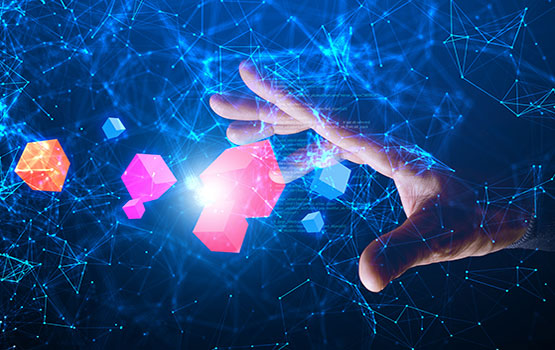
The use of telemedicine can ease the burden on doctors and patients and significantly reduce the need for in-person appointments. In addition, smartphone apps are currently being used to effectively document the progression of diseases. In dermatology in particular, photos are often insufficient for making a reliable diagnosis because they lack the 3D component. The use of haptic intelligence makes it possible to “make the skin tangible.” We are researching various approaches designed to enable doctors to feel 3D models of the affected skin areas, thereby facilitating diagnosis.